

1. Introduction
Embrace Minimalism: A Path to a Simpler, Happier Life is your comprehensive guide to transforming your lifestyle by adopting a minimalist mindset. In today’s cluttered world, reducing excess and focusing on what truly matters can lead to enhanced well-being, increased productivity, and lasting happiness. This article explores the core concepts of minimalism, offers practical strategies for decluttering your life, and explains how simplicity can create more space for joy and purpose. Whether you are new to minimalism or looking to deepen your practice, our guide provides actionable tips and insights to help you streamline your daily routine and embrace a simpler lifestyle. For further reading on mindful living, check out our article on Mindful Living: 7 Daily Habits to Boost Wellbeing.
2. What is Minimalism?
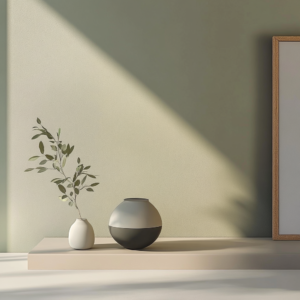
Minimalism is a lifestyle and mindset that involves intentionally reducing the non-essential in all areas of life. It means prioritizing quality over quantity and seeking fulfillment through simplicity rather than excess. When you “Embrace Minimalism: A,” you choose to live with fewer possessions, commitments, and mental burdens. This approach is not about deprivation but about creating space for experiences that truly enrich your life.
Defining Minimalism
At its core, minimalism is about clearing away distractions and concentrating on what really matters. When you “Embrace Minimalism: A,” you decide to let go of material excess and focus on relationships, personal growth, and experiences.
The Philosophy Behind Minimalism
Minimalism is rooted in the belief that less is more. Philosophers and modern thinkers alike advocate for simplifying one’s life to focus on personal growth and creativity. By adopting the mantra “Embrace Minimalism: A,” you can learn to let go of materialistic attachments and find joy in a more intentional, mindful way of living.
Minimalism in Different Cultures
While minimalism is often associated with modern Western trends, its principles are evident in various cultural and spiritual traditions worldwide. Ancient philosophies and religions, such as Buddhism and Stoicism, teach the value of simplicity and inner peace, reminding us to “Embrace Minimalism: A” as a path to deeper fulfillment.
3. The Benefits of Minimalism
Embrace Minimalism: A Path to a Simpler, Happier Life offers many tangible and intangible benefits. By reducing clutter in your life, you create room for greater freedom, clarity, and purpose.
Reduced Stress and Mental Clarity
One of the primary benefits of minimalism is a significant reduction in stress. Physical and digital clutter creates constant distractions. When you “Embrace Minimalism: A,” you simplify your surroundings and schedule, lowering stress levels and improving mental clarity. This clarity enables more thoughtful decision-making and focus on true priorities.
Financial Freedom and Sustainability
Minimalism encourages you to spend less on non-essential items, leading to better financial management and increased savings. By choosing the “Embrace Minimalism: A” approach, you can invest your resources in experiences and quality items that truly matter, fostering a sustainable and responsible lifestyle.
Enhanced Focus on Relationships and Personal Growth
Living with fewer distractions allows you to invest more time in meaningful relationships and self-improvement. The philosophy of “Embrace Minimalism: A” inspires you to focus on what nurtures your mind and soul, ultimately leading to a happier, more balanced life.
Improved Physical Environment
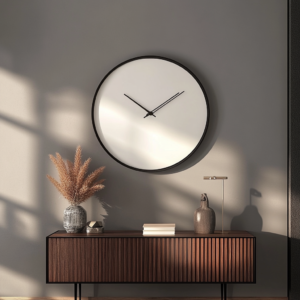
A decluttered home not only looks better but promotes a healthier living environment. When you “Embrace Minimalism: A,” your space becomes organized and easier to maintain, reducing stress and creating a serene atmosphere that supports relaxation and productivity.
Better Time Management
With fewer distractions, you gain more time for the things that matter most. Minimalism streamlines your daily routines and priorities, leading to improved time management and a more intentional use of your resources.
4. How to Embrace Minimalism in Daily Life
Adopting a minimalist lifestyle may seem overwhelming at first, but small, deliberate changes can lead to significant improvements. Here are practical steps to “Embrace Minimalism: A” and simplify your life.
Decluttering Your Physical Space
Start by evaluating your possessions and determining what is essential. The process of decluttering can be liberating—sort your belongings into keep, donate, and discard piles. By reducing clutter, you create a more peaceful environment that reflects the essence of “Embrace Minimalism: A.” For further guidance on decluttering, visit our article on Mindful Living: 7 Daily Habits to Boost Wellbeing.
Simplifying Your Schedule and Commitments
Minimalism applies not only to your physical belongings but also to how you spend your time. Evaluate your daily schedule and remove non-essential activities. Focus on what truly matters, such as hobbies, relationships, and self-care. This method helps you “Embrace Minimalism: A” by creating more time for joy and fulfillment.
Digital Minimalism
In an age of constant connectivity, digital clutter can be as stressful as physical clutter. Unsubscribe from unnecessary emails, limit social media usage, and organize your digital files. Adopting digital minimalism reduces distractions and frees up mental space, supporting the overall philosophy of “Embrace Minimalism: A.”
Cultivating a Minimalist Mindset
Embracing minimalism requires a shift in perspective. Focus on the quality of your experiences rather than the quantity of your possessions. Practice gratitude for what you have and be mindful of your consumption habits. Over time, this mindset becomes second nature and helps you maintain the principles of “Embrace Minimalism: A” in every aspect of your life.
5. Minimalism and Mental Health
Minimalism can have a profound impact on your mental health. By eliminating excess, you reduce stress and create more room for positive thoughts and meaningful experiences.
Reducing Anxiety Through Simplicity
A cluttered environment often mirrors a cluttered mind. When you “Embrace Minimalism: A,” you remove unnecessary distractions, which can lead to a significant reduction in anxiety. Focusing on simplicity allows you to channel your energy into more productive and fulfilling activities.
Enhancing Emotional Well-Being
A minimalist lifestyle promotes calm and balance. With fewer possessions and commitments, you can devote more time to self-care, reflection, and activities that nurture your emotional health. Research indicates that minimalism is linked to improved mood and greater life satisfaction.
Boosting Self-Awareness
Living simply enables you to focus on your inner life and understand your true needs and desires. This increased self-awareness helps you make deliberate choices and fosters a deeper connection with yourself, supporting mental clarity and emotional stability.
External Resources for Mental Health
For more insights into the connection between minimalism and mental health, consider reading articles from the American Psychological Association. Their research on stress and well-being provides additional evidence for the benefits of a minimalist lifestyle.
6. Creating a Minimalist Home and Lifestyle
Transforming your living space to reflect simplicity and functionality is key to embracing minimalism. “Embrace Minimalism: A” encourages you to design a home that is both aesthetically pleasing and stress-free.
Decluttering and Organizing Your Home
Start by purging items that no longer serve a purpose. Focus on keeping items that are functional, beautiful, or hold sentimental value. An organized home creates a calming atmosphere.
Practical Tips for Home Organization
- Use storage solutions that are both practical and stylish
- Create designated spaces for essential items
- Maintain a regular cleaning and decluttering schedule
These steps ensure that your home environment supports “Embrace Minimalism: A” and contributes to overall happiness.
Designing a Minimalist Space
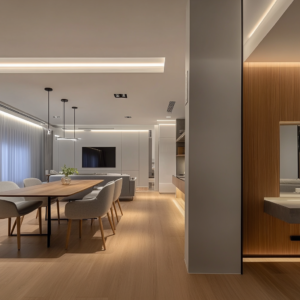
Minimalist design emphasizes simplicity, clean lines, and neutral colors. When you “Embrace Minimalism: A,” invest in quality over quantity. Choose versatile furniture and decor that reflect your style while maintaining a clutter-free environment. For design inspiration, check out websites like Apartment Therapy.
Balancing Function and Aesthetics
The goal of a minimalist home is to create a balanced space that is functional and calming. Focus on quality, and let your living space enhance your daily life by promoting relaxation and productivity.
7. Minimalism in Modern Society
Minimalism has gained traction as a counterbalance to consumerism and modern life’s hectic pace. “Embrace Minimalism: A” is increasingly recognized as a lifestyle choice leading to freedom and fulfillment.
The Rise of Minimalist Movements
In recent years, minimalist movements and communities have grown, encouraging people to reconsider their consumption habits. Blogs, documentaries, and social media have popularized minimalism, showing that “Embrace Minimalism: A” is not just personal but a social phenomenon challenging the status quo.
Economic and Environmental Benefits
Minimalism offers significant economic and environmental benefits. By reducing unnecessary purchases, you save money and minimize waste. This sustainable approach not only benefits your finances but also contributes to environmental conservation. For additional information on sustainable living, visit the Environmental Protection Agency.
Shifting Cultural Norms
As more people adopt minimalist lifestyles, cultural norms are shifting away from consumerism towards valuing experiences over material possessions. This transition aligns with “Embrace Minimalism: A” and fosters community values centered on well-being, creativity, and personal growth.
YouTube Inspiration for Minimalism
For further inspiration, watch the documentary “Minimalism: A Documentary About the Important Things” on YouTube. This video offers real-life examples and motivational stories that illustrate how embracing minimalism can lead to a simpler, happier life. Check out the video here.
8. Conclusion
Final Thoughts
Embrace Minimalism: A Path to a Simpler, Happier Life offers a transformative approach that frees you from the burden of excess and helps you focus on what truly matters. By adopting a minimalist lifestyle, you create space for clarity, personal growth, and deeper connections. The strategies and practical tips outlined in this guide empower you to declutter your physical environment, simplify your schedule, and cultivate a mindset that values quality over quantity. As you embrace these principles, you will experience reduced stress, improved mental clarity, and a renewed sense of purpose. Minimalism is a continuous journey of self-reflection and mindful decision-making—one that evolves as you grow and adapt to life’s challenges.
9. Frequently Asked Questions (FAQ)
Q1: What is the core idea behind “Embrace Minimalism: A Path to a Simpler, Happier Life”?
The core idea is to reduce excess—whether in possessions, commitments, or digital clutter—and focus on what truly matters. This approach helps improve mental clarity, reduce stress, and create space for personal growth, allowing you to live more intentionally and joyfully.
Q2: How can I start embracing minimalism?
Begin by decluttering one area of your life, such as your closet or workspace. Sort items into keep, donate, or discard piles. Start small and gradually expand this practice to other areas, ensuring that each step aligns with the philosophy of “Embrace Minimalism: A.”
Q3: What are the benefits of adopting a minimalist lifestyle?
Benefits include reduced stress, improved mental clarity, financial savings, a more organized living space, and more time for meaningful relationships and personal pursuits. Minimalism fosters a balanced and intentional life.
Q4: Can minimalism help with mental health issues?
Yes, by eliminating distractions and excess, minimalism can lower anxiety and promote a more focused, balanced state of mind, enhancing overall emotional well-being.
Q5: How does “Embrace Minimalism: A” relate to sustainable living?
It encourages responsible consumption and waste reduction, leading to a more sustainable lifestyle that benefits both personal finances and the environment.
Q6: Where can I find more inspiration on minimalism?
Explore websites like The Minimalists or read our article Mindful Living: 7 Daily Habits to Boost Wellbeing for practical tips and motivational ideas.
Q7: What if I find it difficult to let go of possessions?
It’s natural to feel attached, so start with one small area and gradually let go. Focus on the benefits of a clutter-free environment and the freedom it brings.
Q8: How often should I reassess my belongings to maintain minimalism?
A quarterly review of your possessions and habits can help ensure you remain aligned with your minimalist values and continue on the path of “Embrace Minimalism: A.”
Q9: Can minimalism improve my overall quality of life?
Absolutely. By reducing distractions, minimalism helps improve focus, decrease stress, and allow more time for what truly matters, enhancing overall life satisfaction.
Q10: How do I incorporate minimalism into my digital life?
Start by unsubscribing from unnecessary emails, organizing your digital files, and limiting social media usage. This digital decluttering complements the principles of “Embrace Minimalism: A.”
Q11: What practical steps can I take today to start my minimalist journey?
Begin with a small, manageable area—such as your desk or a single room—and sort your items. Incremental changes, when consistently applied, lead to significant transformation.
Q12: How does minimalism promote personal growth?
By eliminating excess and simplifying your life, minimalism frees up time and mental space, allowing you to focus on self-improvement, creativity, and building meaningful relationships.
Q13: What challenges might I face when transitioning to minimalism?
You may encounter emotional attachments and societal pressures to consume. However, by focusing on the long-term benefits like reduced stress and increased clarity, these challenges can be overcome gradually.
Q14: Is minimalism only about material possessions?
No, it also involves simplifying your schedule, commitments, and digital life. This holistic approach ensures that all aspects of your life are aligned with a more intentional, focused lifestyle.
Q15: How can I measure my progress in adopting a minimalist lifestyle?
Keep a journal or use tracking apps to monitor improvements in organization, stress levels, and overall well-being. Regular self-reflection helps reinforce the benefits of “Embrace Minimalism: A” and keeps you motivated on your journey.