

1. Introduction
Overview
Meditation has been practiced for thousands of years across diverse cultures, yet many still hold misconceptions about its true nature and benefits. In this article, we explore the essential truths behind Meditation Myths Debunked: What You Really Need to Know and provide you with clear, practical insights to begin your mindfulness journey. Whether you are a seasoned practitioner or just starting out, understanding the real principles of meditation can transform your experience and improve your overall well-being.
Dispelling Misconceptions
Many people believe that meditation demands hours of sitting in silence or that it requires an empty mind, but the reality is much simpler. In this guide, we break down these myths and reveal how even a few minutes of focused practice can make a significant difference. By understanding Meditation Myths Debunked: What You Really Need to Know, you will learn that meditation is accessible, adaptable, and beneficial for everyone, regardless of their background or daily schedule.
What to Expect
In the following sections, you’ll discover common myths that hinder many from trying meditation, learn about its powerful benefits, and find actionable steps to start meditating effectively. Our aim is to empower you with the knowledge to overcome any hesitation and fully embrace the practice of mindfulness for a healthier, more balanced life.
Meditation Myths Debunked: What You Really Need to Know
One of the most common meditation myths is that it requires a lot of time or is difficult to practice. The truth is, you don’t need hours to meditate; even just 10 to 15 minutes a day can have profound benefits. Meditation is about being present and focusing your attention, and it can be done in any quiet space.
As we explore these myths and their debunking, you’ll start to understand that meditation can fit into anyone’s life—no matter how busy or stressful it may be. If you’re interested in learning more about how mindfulness can improve your life, check out our article on Mindful Living: 7 Daily Habits to Boost Wellbeing.
2. Common Meditation Myths
There are several misconceptions that people have about meditation. Let’s dive into some of the most common meditation myths that may be holding you back from starting a practice.
Myth 1: “Meditation Requires a Completely Empty Mind”
One of the biggest meditation myths is the belief that you need to clear your mind of all thoughts. While it’s ideal to experience periods of mental stillness during meditation, the goal is not to suppress thoughts but to observe them without judgment. This process of awareness helps to create a sense of calm and clarity, even amidst distractions. It’s completely normal for thoughts to arise—what matters is how you respond to them.
Myth 2: “Meditation Is Only for Spiritual or Religious People”
Many people believe that meditation is exclusively for those seeking spiritual enlightenment or practicing religious rituals. In fact, meditation is a secular practice that anyone can benefit from. Whether you’re looking for stress relief, improved focus, or emotional healing, meditation can be a practical tool for enhancing your overall well-being. People from all walks of life, including athletes, professionals, and even scientists, use meditation to boost their mental and physical health. Meditation can help you connect with your inner self, regardless of whether you practice it for spiritual purposes or for personal growth.
Myth 3: “You Need Special Tools or Gear”
You don’t need expensive equipment or special tools to meditate. Another common meditation myth is the belief that you need a specific cushion, incense, or music to meditate properly. While certain tools like cushions or mats can enhance comfort during meditation, they are not essential. All you need is a quiet space and a comfortable position. The essence of meditation lies in your ability to focus your attention and cultivate mindfulness, regardless of the external environment. In fact, some people prefer to meditate with minimal distractions, which means no special tools at all.
Myth 4: “Meditation Is Only About Sitting Still”
Another common misconception is that meditation only works if you sit still for long periods of time. In fact, there are many forms of meditation that incorporate movement, such as walking meditation or yoga. These practices allow you to cultivate mindfulness while actively engaging your body. Sitting still is just one way to meditate, and it’s important to find the style that works best for you. The flexibility of meditation means it can be adapted to your personal preferences.
3. The Benefits of Meditation
Stress Relief and Emotional Well-Being
Meditation is known to provide significant relief from stress and emotional turmoil by reducing cortisol levels and activating the body’s natural relaxation response. This practice allows individuals to achieve a calm state of mind and reduces anxiety over time. Many who embrace meditation discover that they feel more balanced and emotionally stable. For those curious about how this can transform daily life, adopting even a short daily session can lead to long-lasting improvements. In fact, exploring Meditation Myths Debunked: What You Really Need to Know can help you realize that stress relief is a natural benefit of mindfulness.
Improved Focus and Concentration
Another notable advantage of regular meditation practice is its positive impact on cognitive function. Engaging in mindful breathing and focused attention enhances concentration and sharpens mental clarity, ultimately leading to better productivity and decision-making in both professional and personal contexts. Studies have shown that meditation strengthens neural connections in the prefrontal cortex, making it easier to maintain focus during challenging tasks. Learning more about Meditation Myths Debunked: What You Really Need to Know offers insight into how meditation contributes to improved mental performance and alertness.
Increased Self-Awareness and Clarity
Meditation cultivates a deep sense of self-awareness by encouraging practitioners to observe their thoughts and feelings without judgment. This heightened awareness leads to greater emotional intelligence, enabling you to understand your behaviors and emotions better and respond to life’s challenges with increased clarity. Over time, regular meditation practice fosters inner peace and clarity, allowing you to make mindful decisions and develop a more thoughtful perspective on daily life.

4. What You Really Need to Know About Meditation
Now that we’ve discussed the myths and benefits of meditation, let’s focus on the core principles of what meditation truly entails.
Start Simple and Be Consistent
You don’t need to dedicate hours of your day to meditation. Start with just 5 to 10 minutes per day, and gradually increase the duration as you become more comfortable. Consistency is key—making meditation a daily habit, even for a short period, will help you experience its full benefits over time. The more consistent you are with your practice, the easier it becomes. Over time, meditation will become a natural part of your routine.
Find Your Comfort Zone
Whether you prefer sitting, lying down, or walking, the key is to find a posture that allows you to feel relaxed yet alert. Your meditation space should be quiet and free from distractions. It doesn’t have to be a special room—just a corner in your home or even a park bench can work as long as it’s peaceful and comfortable. The goal is to feel calm and at ease in your environment, allowing your mind to enter a meditative state without distractions.
Focus on Your Breath
One of the simplest forms of meditation is breath awareness. By focusing on your breath, you create a focal point that helps calm the mind. Inhale deeply, hold for a moment, and exhale slowly. This rhythmic pattern creates a sense of calm and anchors you to the present moment.
Meditation Doesn’t Require Perfection
Meditation is a personal practice, and there is no “perfect” way to do it. Don’t worry about achieving a specific outcome. Focus on being present and kind to yourself. The more you practice, the more you’ll learn to accept your thoughts and feelings without judgment. The key is consistency and allowing yourself to experience the benefits over time.
5. How to Start Meditating Effectively
If you’re ready to begin meditating, here’s a simple guide to get you started.
Step 1: Find a Quiet Space
Choose a peaceful environment where you won’t be disturbed. This could be anywhere from a quiet room in your home to a secluded outdoor spot.
Step 2: Sit Comfortably
Sit in a comfortable position, either on the floor with crossed legs or on a chair with your feet flat on the ground. Keep your back straight and your body relaxed.
Step 3: Focus on Your Breath
Close your eyes and take deep breaths. Focus on the sensation of air entering and leaving your body. If your mind starts to wander, gently guide your attention back to your breath.
Step 4: Practice Regularly
Try to meditate at the same time each day. Consistency is key to forming a lasting habit and experiencing the long-term benefits of meditation.
6. Tips for Maintaining a Regular Meditation Practice
Building a consistent meditation practice can be challenging, but with the right approach, it can become a rewarding habit.
Start with Short Sessions
If you’re just beginning, don’t worry about meditating for long periods. Start with just 5 to 10 minutes and gradually extend your practice as you become more comfortable.
Use Guided Meditations
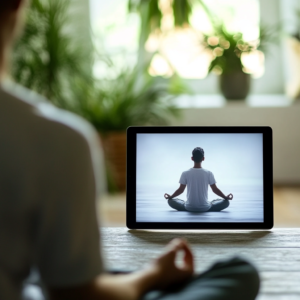
For beginners, using guided meditation apps or YouTube videos can help you stay focused and provide structure. There are many free resources available online that offer guided meditations for relaxation, stress relief, and more. One of the most popular channels is Yoga With Adriene, which offers free meditation guides on YouTube. Check out this highly recommended video here.
Be Kind to Yourself
Meditation is a practice, and it’s important to be patient with yourself. Don’t worry if your mind wanders or if you don’t feel immediate results. The key is to stay consistent and show up each day.
7. Meditation in Different Cultures and Traditions
Meditation isn’t just a modern practice; it has deep roots in various cultures worldwide. Understanding its historical and cultural significance can enhance your appreciation of meditation.
Meditation in Eastern Traditions
In Eastern traditions, such as Buddhism and Hinduism, meditation is viewed as a spiritual practice aimed at achieving enlightenment and liberation. These traditions emphasize mindfulness, self-awareness, and inner peace as the primary benefits of meditation. Practices like mindfulness meditation, loving-kindness meditation, and transcendental meditation all have their roots in these cultures.
Western Adoption of Meditation
In the West, meditation has been embraced more recently, largely for its therapeutic benefits. Many people in the United States and Europe practice meditation for stress management, mental clarity, and emotional healing. The rise of mindfulness-based stress reduction (MBSR) programs has contributed to the widespread adoption of meditation in hospitals, schools, and workplaces.

8. Frequently Asked Questions (FAQ)
Q1: How long should I meditate each day?
A: Begin with 5 to 10 minutes daily and gradually increase your session length. Consistency is key to reaping the benefits mentioned in Meditation Myths Debunked: What You Really Need to Know.
Q2: What should I do if my mind wanders during meditation?
A: It’s completely normal for your mind to wander. Gently redirect your focus back to your breath without self-judgment, as emphasized in Meditation Myths Debunked: What You Really Need to Know.
Q3: Can meditation help reduce stress effectively?
A: Yes, regular meditation lowers cortisol levels and reduces stress, improving overall well-being and emotional stability.
Q4: Is daily meditation necessary to see noticeable benefits?
A: While any meditation practice is beneficial, daily sessions help establish a stronger mindfulness habit and lead to quicker, more profound results.
Q5: How can I fit meditation into a busy schedule?
A: Incorporate short, focused sessions throughout your day—during breaks, commutes, or even before bed—to build a sustainable practice.
9. Conclusion
Meditation is an invaluable tool for improving your overall well-being. By debunking the common meditation myths and understanding what meditation truly entails, you can start your practice with a clearer perspective. Whether you’re seeking stress relief, emotional stability, or enhanced focus, meditation offers numerous benefits that can be incorporated into anyone’s life. Start small, be consistent, and enjoy the transformative power of meditation.If you’ve already discovered life-changing insights in The Power of Visualization eBook, now’s the time to accelerate your progress with the fully narrated, step-by-step video update. I’m excited to share a special offer that’s not available anywhere else.